
East, Middle, and West Galleries
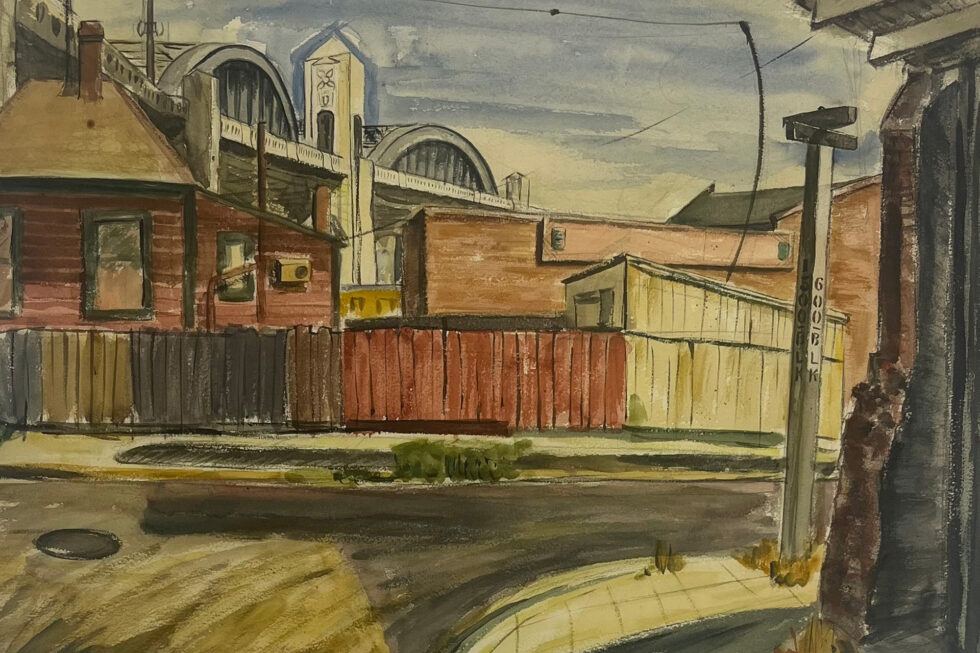
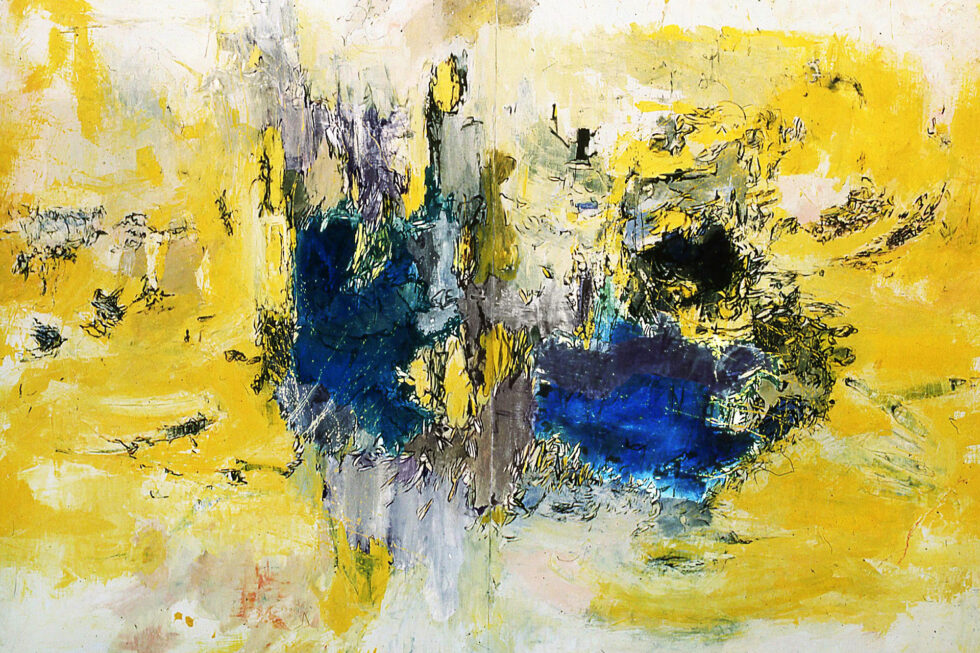
Cascadia Art Museum’s upcoming exhibition, Zoe Dusanne: The Art of Seeing, is a celebration of the life and career of prominent Seattle cultural icon, Zoe Dusanne (1884-1972). A groundbreaking art dealer and cultural advocate, Dusanne shaped Seattle’s modern art scene and helped elevate Northwest artists to wider global recognition. The exhibition features works by both prominent and newly rediscovered artists represented by the Zoe Dusanne Gallery, including Paul Horiuchi, B.L. Hyde, John Matsudaira and George Tsutakawa.
Born Zola Maie Graves in Kansas in 1884, she moved to Seattle in 1912. One year later, Zoe’s mother Letitia Ann Dennie Graves became the first president of the Seattle Chapter of the NAACP, with Zoe serving as Recording Secretary.
In 1928, Dusanne moved to New York and soon became a fixture within the city’s art circles, making connections that would later be critical in her professional art dealing career. While in New York, she worked in costuming, stage sets, and jewelry design. She also created puppets for the Federal Theatre W.P.A., Marionette Theatre Workshop under the direction of Remo Bufano. In New York, Dusanne was immersed in the heart of the global modern art movement.
In 1942, Zoe Dusanne returned to Seattle. During the next eleven years, she continued to collect art until opening Seattle’s first professional modern-art gallery in her home in 1950. Showing modern artists through her contacts in New York and Europe, she also promoted Northwest painters, primarily Japanese Americans such as George Tsutakawa, Paul Horiuchi, John Matsudaira. In 1957, Dusanne gave Japanese artist Yayoi Kusama (b. 1929) her first American exhibition.
When her home gallery was demolished in 1959 to make room for the construction of the I-5 Freeway, she moved to 532 Broadway East and retired five years later in 1964. Zoe Dusanne’s legacy continues to have a lasting influence on the region’s art and culture.
Dusanne’s achievements are even more remarkable when viewed in the context of her time. As a Black woman in the 1950s, she became an influential voice in Seattle’s largely white art world, helping shape what audiences saw, what collectors acquired, and which artists gained recognition. Her success in overcoming the racial and social barriers of the era is an important part of her legacy.
An expanded biography on Dusanne written by Beth Ann Whittaker-Williams and Richelle Munkhoff, co-founders of Plain Sight Archive, will have its launch at Cascadia’s exhibition opening and will be available for purchase at Cascadia’s Museum Store.
Image Credit:
- John Matsudaira (1922-2007), Quiet Motion in Blue, 1961. Oil on canvas. Cascadia Art Museum, Gift of The Family of John Matsudaira, 2020.4.1
- Elmer Ogawa (1905-1970), Paul Horiuchi, George Tsutakawa, Zoe Dusanne, John Matsudaira, and Kenjiro Nomura at the Zoe Dusanne Gallery, 1952. Courtesy of the Matsudaira family.